Mastering Your Business Break-Even Point
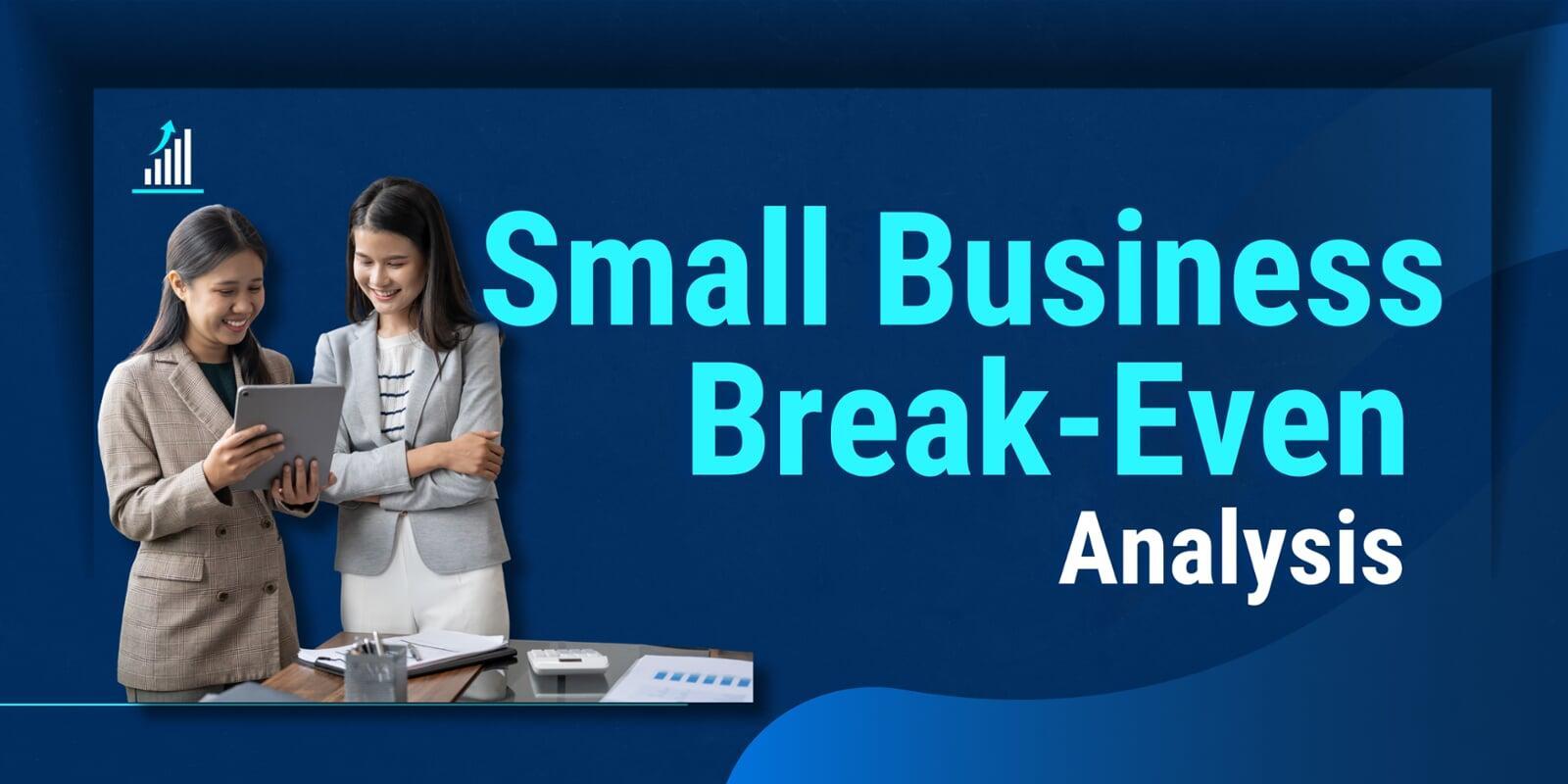
Understanding your break-even point is one of the most fundamental requirements for running a sustainable business. Many owners focus solely on total sales, but without knowing exactly how many units or services you need to sell just to cover your costs, you are navigating without a map. In 2026’s fluctuating economy, knowing your "zero-profit" number is the first step toward true profitability.
What is a Break-Even Analysis?
The Two Pillars of Your Costs
Fixed Costs: These are the expenses that stay the same regardless of how much you sell, such as rent, insurance, and administrative salaries.
Variable Costs: These costs fluctuate based on your sales volume, such as raw materials, packaging, and shipping fees.
Why This Number Changes Your Strategy
Knowing your break-even point allows you to price your products with confidence. If your analysis shows your break-even point is too high, you have three clear strategic levers: you can raise your prices, find ways to lower your variable costs (like negotiating with suppliers), or reduce your fixed overheads.
Testing "What-If" Scenarios
A break-even point isn't static. By running a "what-if" analysis, you can see how a 10% increase in rent or a 5% discount on your products will impact your survival line. This data-driven approach removes the emotion from pricing decisions and helps you set realistic sales targets for your team.
Talk to Us About Finding Your Break-Even Point
Ready to get clear on your numbers? Our team can help you categorize your costs and calculate your precise break-even point. We’ll provide the insights you need to ensure every sale moves you closer to your profit goals—get in touch today to start the analysis.