

Nobody Ever Went Broke Turning Down Work — But Plenty of Businesses Went Broke Never Learning to Say No
Turning down work feels risky, almost irresponsible — what if it's the last good opportunity for a while? But plenty of businesses that struggle financially aren't struggling from a lack of work. They're struggling because they said yes to too much of the wrong kind, and it quietly crowded out the capacity that should have gone toward better, more profitable opportunities.
Why Saying Yes Feels Safer Than It Is
Turning down revenue feels like an immediate, visible loss. The cost of accepting the wrong work is diffuse and delayed — it shows up later as thin margins, exhausted capacity, and no room left for the client or project that would have actually been worth prioritising. One choice feels risky in the moment; the other quietly compounds and rarely gets connected back to the original decision.
Where This Shows Up Most
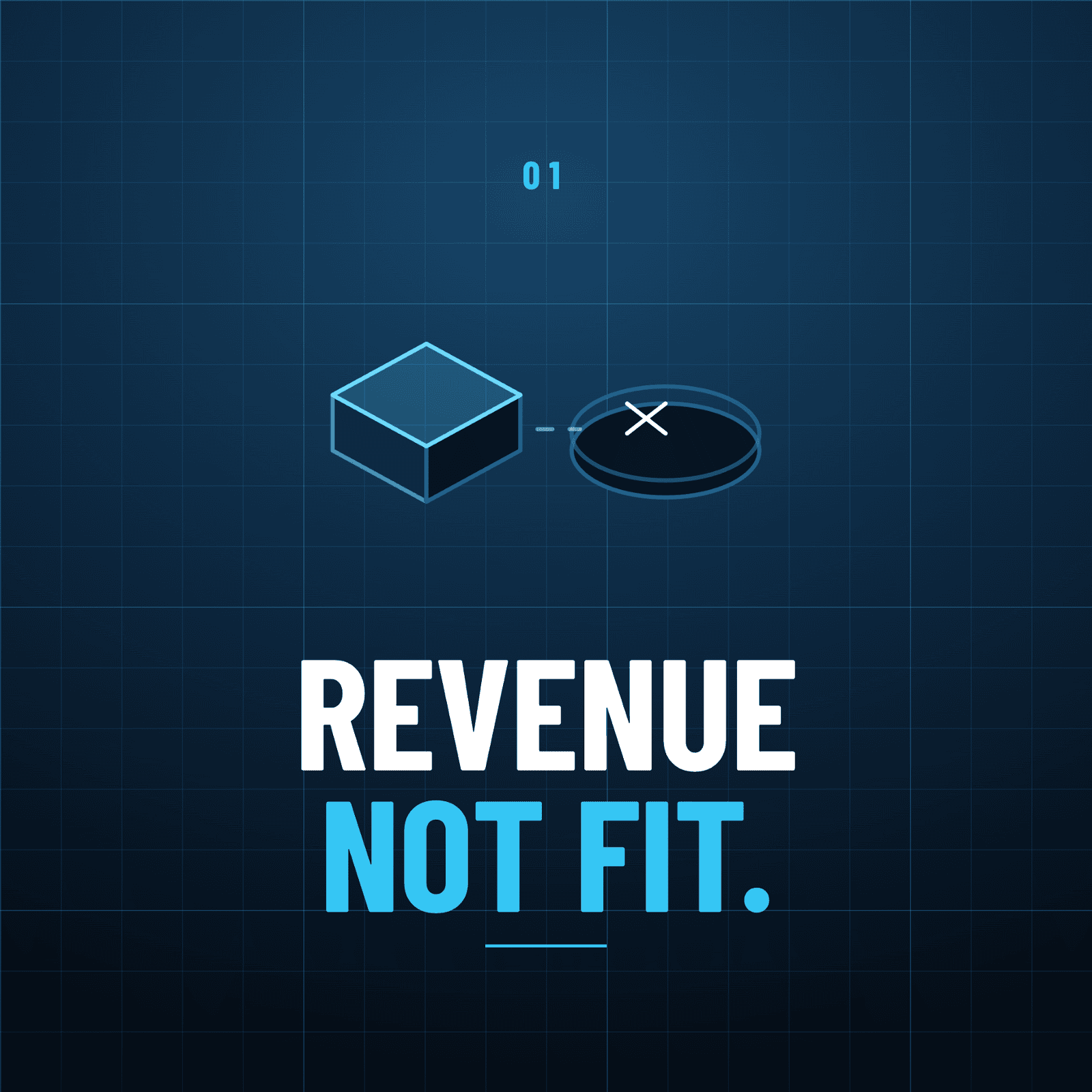
Taking on a client who doesn't fit the business's actual strengths, just because the revenue was on the table.
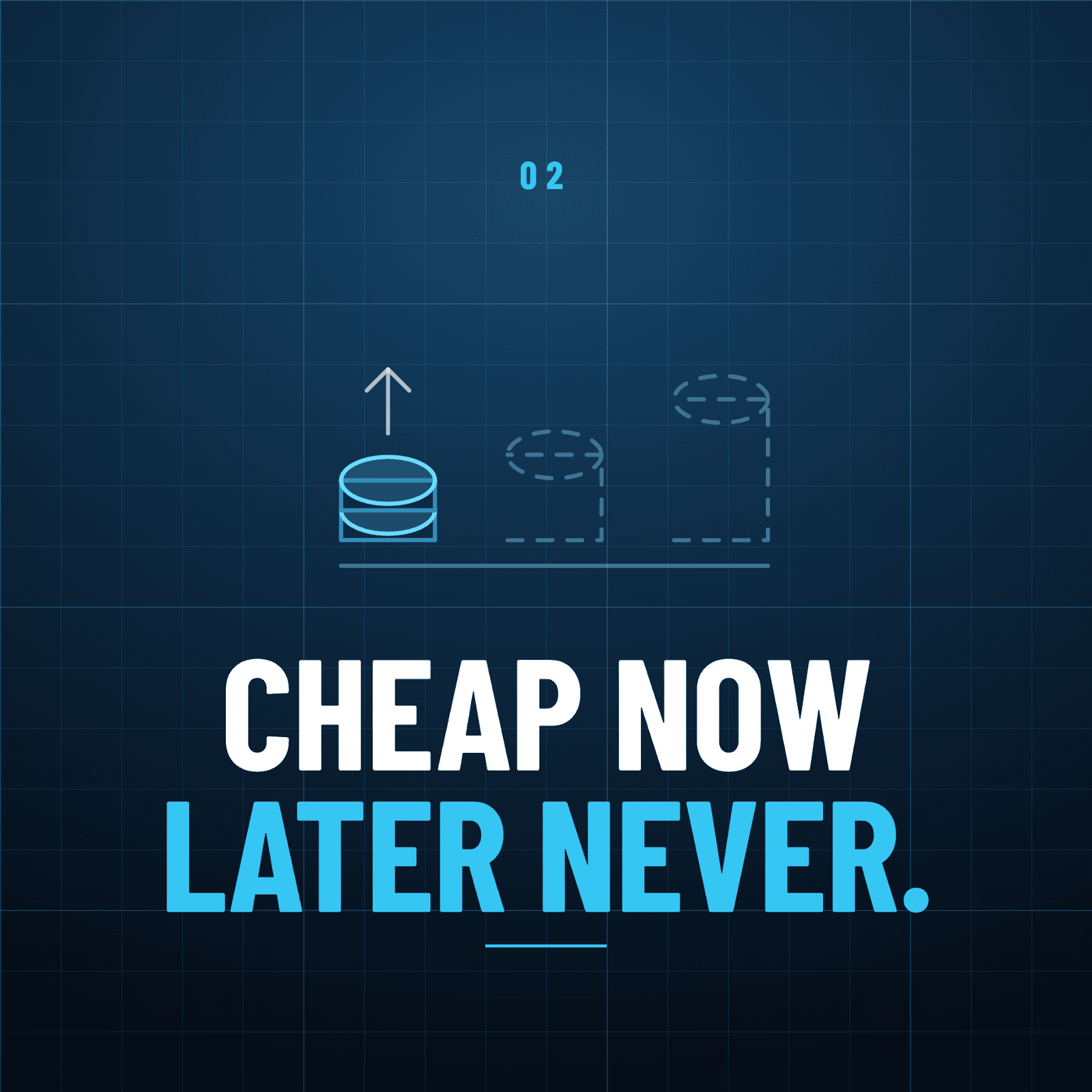
Accepting a rate you know is too low, telling yourself it'll lead to better opportunities later, without ever revisiting whether that actually happened.

Saying yes to scope creep repeatedly, because saying no to an existing client feels harder than quietly absorbing extra unpaid work.
The Real Cost of Never Saying No
If your mental picture of what's owed is optimistic, you may be assuming cash is coming that isn't actually confirmed or imminent — leading to spending or commitment decisions based on a number that doesn't match reality. If it's pessimistic, you might be more cautious than necessary, holding back on decisions the real numbers would actually support.
What to Actually Do
- Review your current client and project list, and honestly flag anything that's a poor fit or thin margin.
- Before accepting the next opportunity, ask what it would displace, not just what it would add.
- Practice a genuine, considered no — not an automatic yes — as your default response to marginal work.
RBizz helps business owners understand which work is actually worth saying yes to, based on real margin and capacity, not just available revenue. Get in touch if you're not sure which of your current clients or projects are actually worth keeping.