

Your Annual Leave Liability Is Probably Bigger Than You Think — And It's Sitting on Your Balance Sheet Right Now
Why This Creeps Up Without Anyone Noticing
Where the Real Risk Concentrates

Long-tenured employees who rarely take leave. The longer someone's been with the business without taking meaningful time off, the larger their accrued balance grows — and the bigger the eventual payout if they resign or the business needs to fund a long absence.
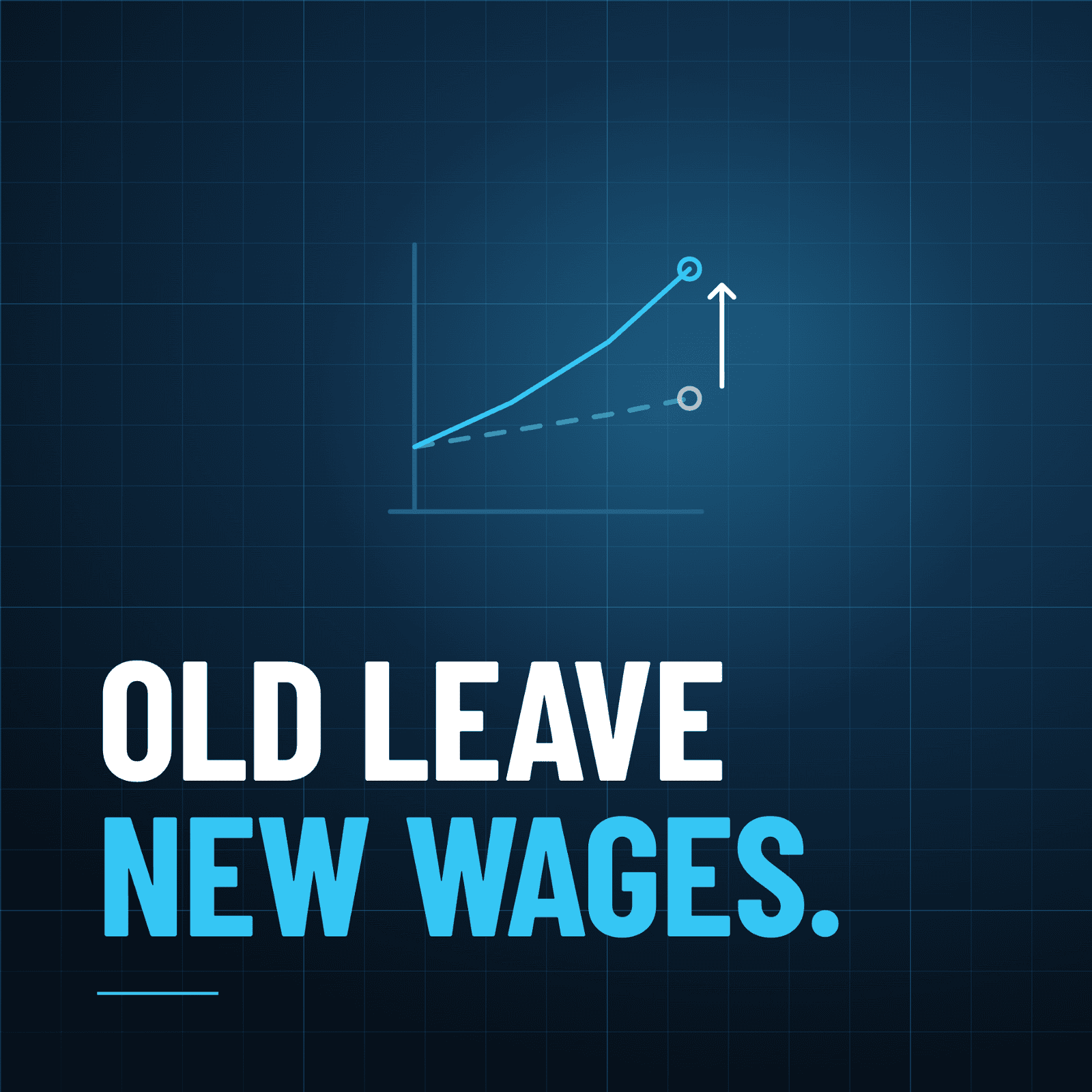
Leave valued at current wage rates, not historical ones. If someone's had pay rises since accruing leave years ago, the liability is calculated at today's higher rate — meaning the actual dollar obligation has grown faster than the leave balance itself might suggest.
Multiple long-serving staff all sitting on large balances simultaneously, creating a concentrated cash exposure if several were to leave or take extended leave around the same time.
What to Check Right Now
- Pull your total accrued annual leave liability across all staff, valued at current wage rates — not just the headline balance from your accounting software's default view.
- Identify which employees are carrying unusually large leave balances, and consider actively encouraging leave to be taken rather than continuing to accumulate.
- Factor this liability into cash flow planning, particularly if any long-serving staff might realistically leave or take extended leave in the near future.
RBizz reviews leave liability exposure as part of broader financial and cash flow planning. Get in touch if you're not sure what your actual leave obligation looks like right now.