
Your Business Doesn't Have a Growth Problem. It Has a Capacity Problem Wearing a Growth Costume.
Why This Gets Misdiagnosed So Often
How to Tell the Difference

A genuine growth problem looks like: capacity exists, systems can handle more, but there simply isn't enough demand or sales activity generating opportunities.
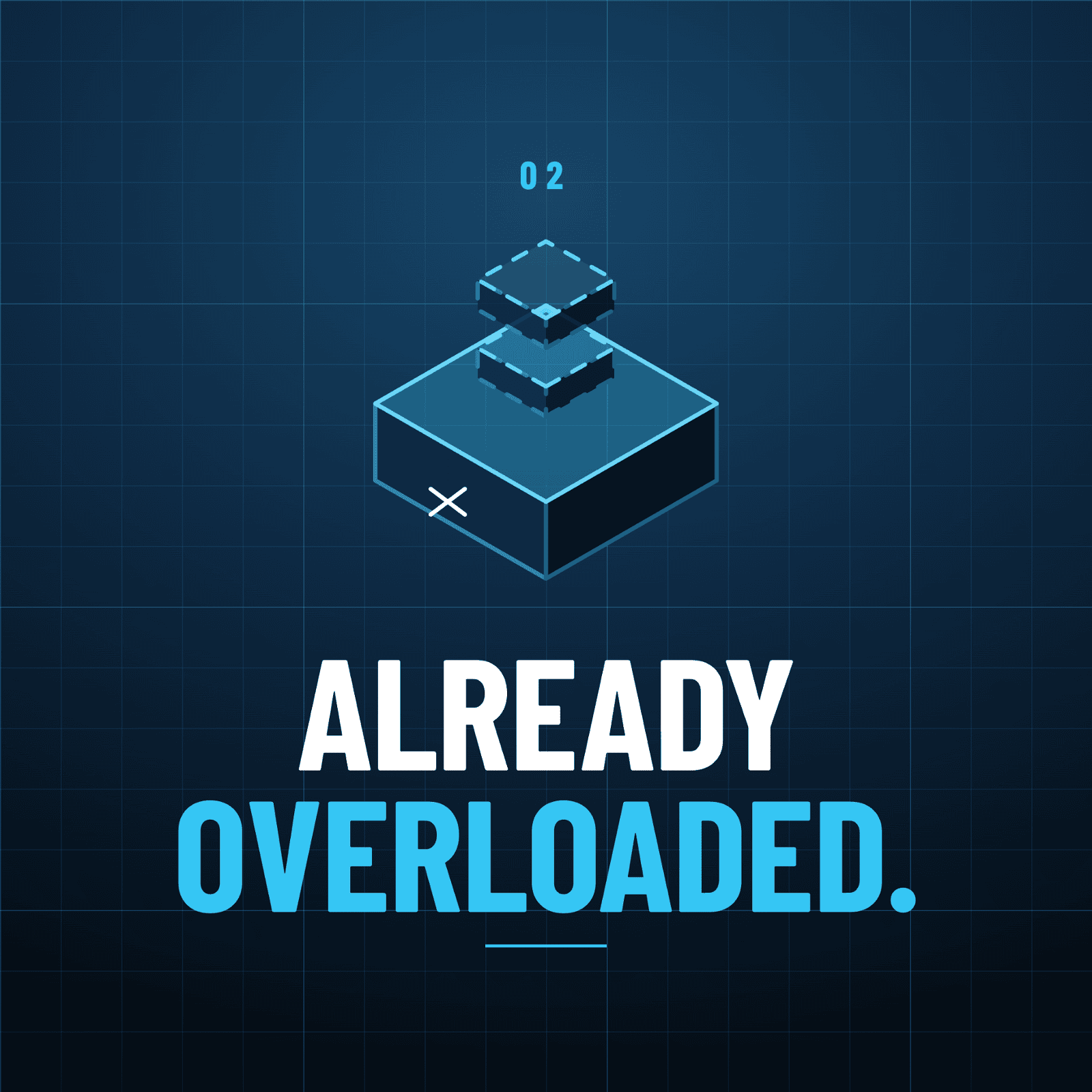
A capacity problem disguised as a growth problem looks like: the team is already stretched, quality is already slipping under current volume, and yet the plan is still "get more clients" rather than "fix what's already overloaded."
What Usually Reveals the Real Issue
Quality already declining under current volume. If existing clients are already experiencing slower response times or lower quality, adding more clients won't help — it'll compound the problem across a wider group.
No documented systems, meaning every new client or project adds proportionally more chaos rather than fitting into an established, repeatable process.
Constant firefighting rather than strategic work. If the team is already in permanent reactive mode, more volume simply means more fires, not more growth.
What to Actually Check Before Chasing More
- Honestly assess whether current clients are being served at the standard you'd want new clients to receive.
- Identify whether systems and processes could genuinely absorb more volume, or whether they're already at their limit.
- If capacity is the real constraint, fix that first — more revenue on a broken foundation just breaks it faster.
RBizz helps business owners tell the difference between a genuine growth opportunity and an underlying capacity problem. Get in touch before your next big push for more clients or revenue.