

Your Business Partner Agreement Probably Doesn't Say What You Think It Says
Ask two business partners what happens if one of them wants to leave, and you'll often get two different, confident answers — both based on assumption, not on what's actually written in their agreement. Most partnership and shareholder agreements are signed once, filed away, and never actually re-read until the exact moment a dispute makes everyone reach for it.
Why the Gap Exists
Agreements are usually drafted at the start of a relationship, when everyone's aligned and optimistic. The specific clauses covering exit, disagreement, or valuation get written once and rarely revisited — meaning by the time they actually matter, nobody in the business remembers the precise terms, only the general intention behind them.
Where This Commonly Bites

Exit valuation methods that no longer make sense. A formula that seemed reasonable at the start can produce a wildly unfair outcome years later, once the business has grown or changed direction.
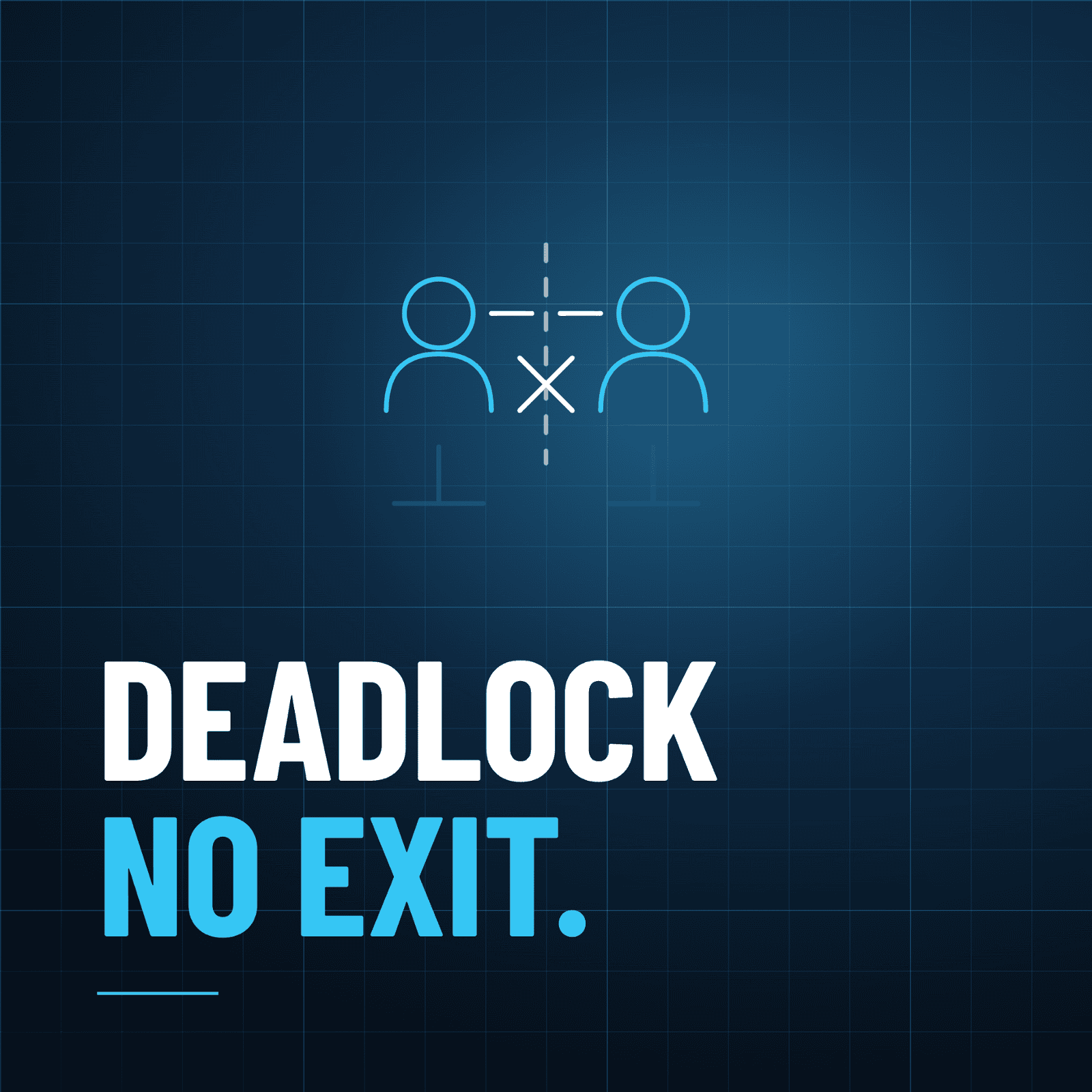
Deadlock provisions nobody remembers exist. Or worse, provisions that don't exist at all, leaving two equal partners with no mechanism to break a genuine disagreement.
Vague "reasonable efforts" language. Clauses that sounded fine on paper but provide no real guidance when a genuine dispute over contribution or commitment arises.
What to Actually Do
- Pull out your current agreement and actually reread it — not the summary you remember, the real document.
- Check whether the exit and valuation provisions still make sense for the business as it exists today, not as it was when signed.
- If you don't have a written agreement at all, treat that as the actual emergency it is.
RBizz can connect you with commercial lawyers to review whether your partnership or shareholder agreement still reflects reality. Get in touch before you need it in a dispute, not during one.