

The Reason Your Competitor Charges More Than You Isn't Better Marketing. It's Better Numbers.
Why Uncertainty Leads to Lower Prices
If you're not entirely sure your price properly covers your real costs — labour, overhead, rework, cash flow timing — there's a natural pull toward pricing conservatively, because raising prices feels riskier when you can't clearly justify the number to yourself, let alone to a client who pushes back.
A business that has genuinely calculated its costs doesn't have that hesitation. They can defend the price, because they know exactly what it's built on — and that confidence shows up in the sales conversation, even if nobody involved would call it a "sales skill."
What Confident Pricing Actually Requires

A real cost breakdown, not a rough sense of what feels fair. Labour properly valued, overhead allocated accurately, rework and inefficiency accounted for.

A deliberately chosen margin, not whatever happens to be left over once the bills are paid.
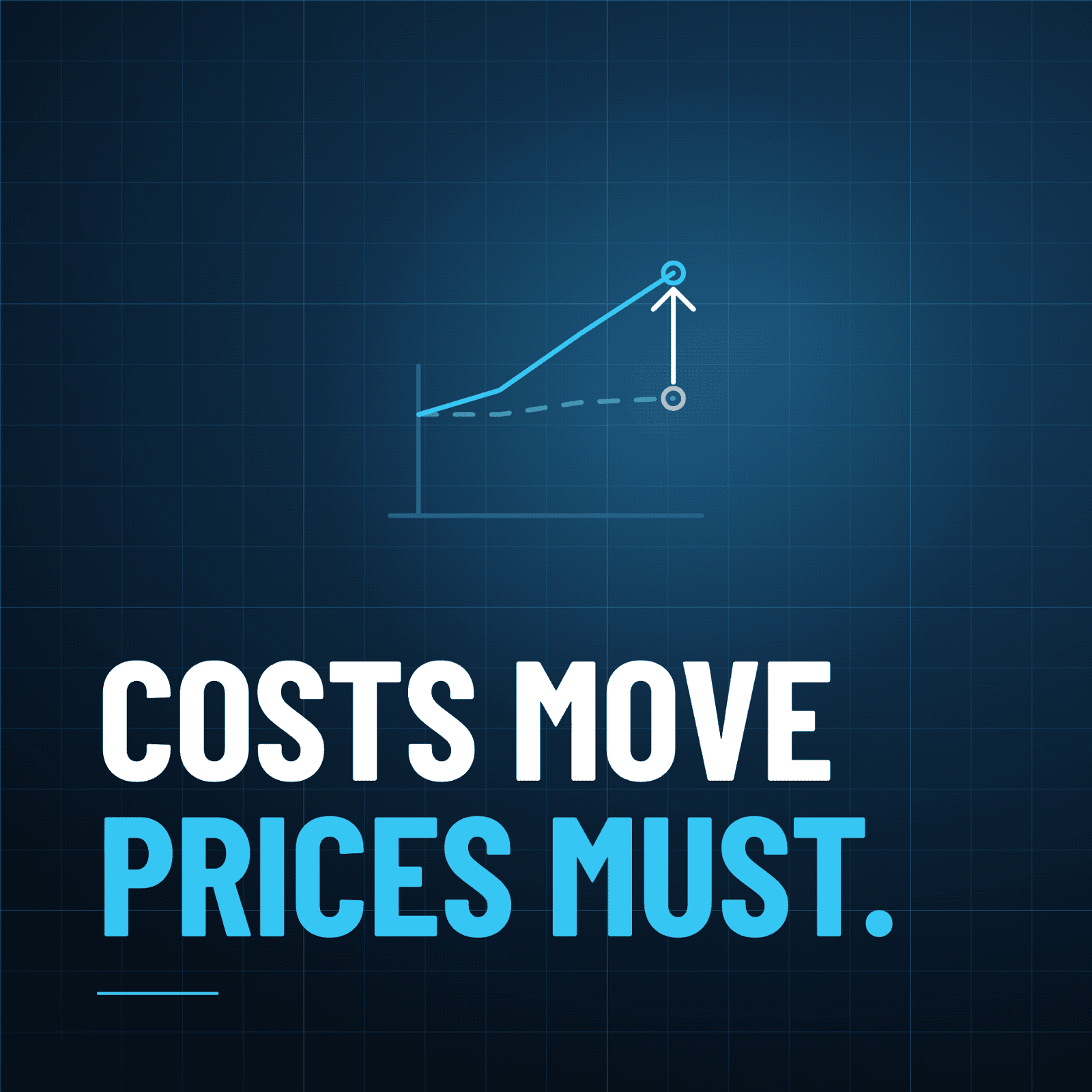
Regular review, since costs move and a price calculated two years ago is answering a question that's no longer accurate.
The Uncomfortable Test
If someone asked you right now to justify your price down to the actual cost components behind it, could you? If the honest answer is "not really, it's roughly what feels competitive," that's usually the real gap between you and the business charging more — not their marketing, but their math.
RBizz helps business owners build real cost and margin clarity into their pricing, so the number is backed by numbers, not a guess. Get in touch if you're not confident your current pricing would hold up under scrutiny.