
Your Big Tax Refund Isn't a Win. It's an Interest-Free Loan You Gave the Government All Year.
What a Big Refund Actually Tells You
Why This Matters More for Business Owners Than Employees
Where The Overpayment Actually Comes From
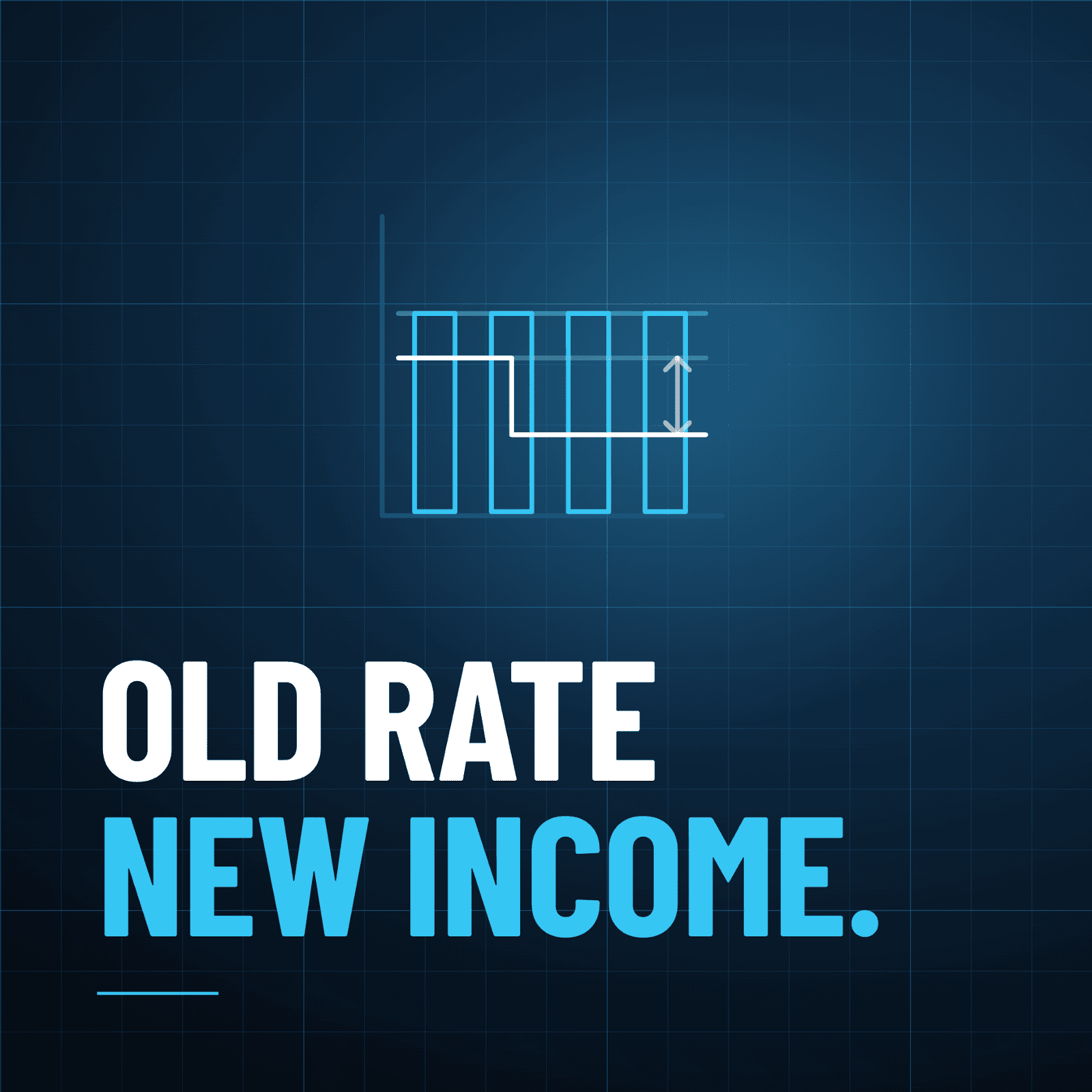
PAYG instalments based on a stronger prior year, continuing at the old rate even after income has genuinely dropped, without anyone requesting a variation.

Withholding set conservatively "just to be safe," without ever being recalculated against actual current-year income and deductions.
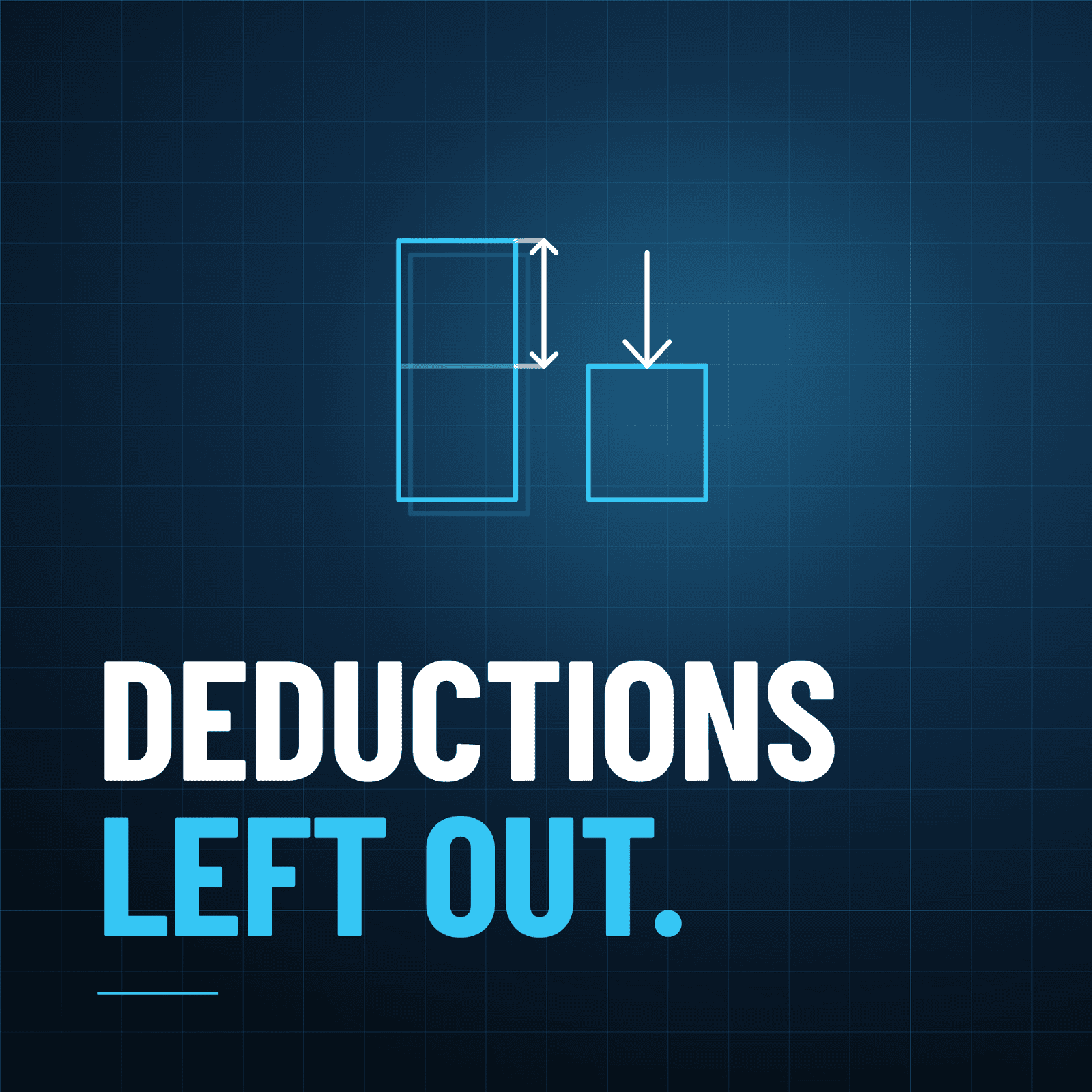
Deductions and offsets not factored into instalment calculations, meaning the instalment amount assumes a higher taxable income than what will actually be reported once legitimate deductions are applied.
Why "At Least It's a Forced Savings Plan" Doesn't Hold Up
Some people deliberately overpay because it feels like a disciplined way to save. The problem is the money sitting with the ATO earns nothing, while that same cash — kept in the business or in an interest-bearing account throughout the year — could have been working for you: reducing debt, earning interest, or funding growth, months before it eventually comes back as a refund.
What a Well-Calibrated Position Actually Looks Like
What to Check Before Your Next Instalment Is Due
A Refund Isn't a Gift. It's Your Own Money, Delayed.
Reframing a big refund this way isn't about being ungrateful for getting money back — it's about recognising that money was always yours, and getting it earlier (by paying the right amount throughout the year) is strictly better than getting it later with nothing added for the wait.
RBizz reviews PAYG instalments and withholding settings to make sure you're not quietly overpaying the ATO all year. Get in touch if your refunds have been consistently large — there's likely a better way to structure it.