
Your "Slow Season" Might Just Be a Pricing Problem Wearing a Disguise

29/08/2026 11:22 PM
Your "Slow Season" Might Just Be a Pricing Problem Wearing a Disguise

Your "Slow Season" Might Just Be a Pricing Problem Wearing a Disguise

Every industry has a season that's blamed for weaker months — summer, post-Christmas, end of financial year. It's a convenient explanation because it requires nothing from you. But not every dip is actually seasonal, and treating a genuine structural problem as "just the slow season" means it quietly returns every single year, unaddressed.

How to Tell the Difference

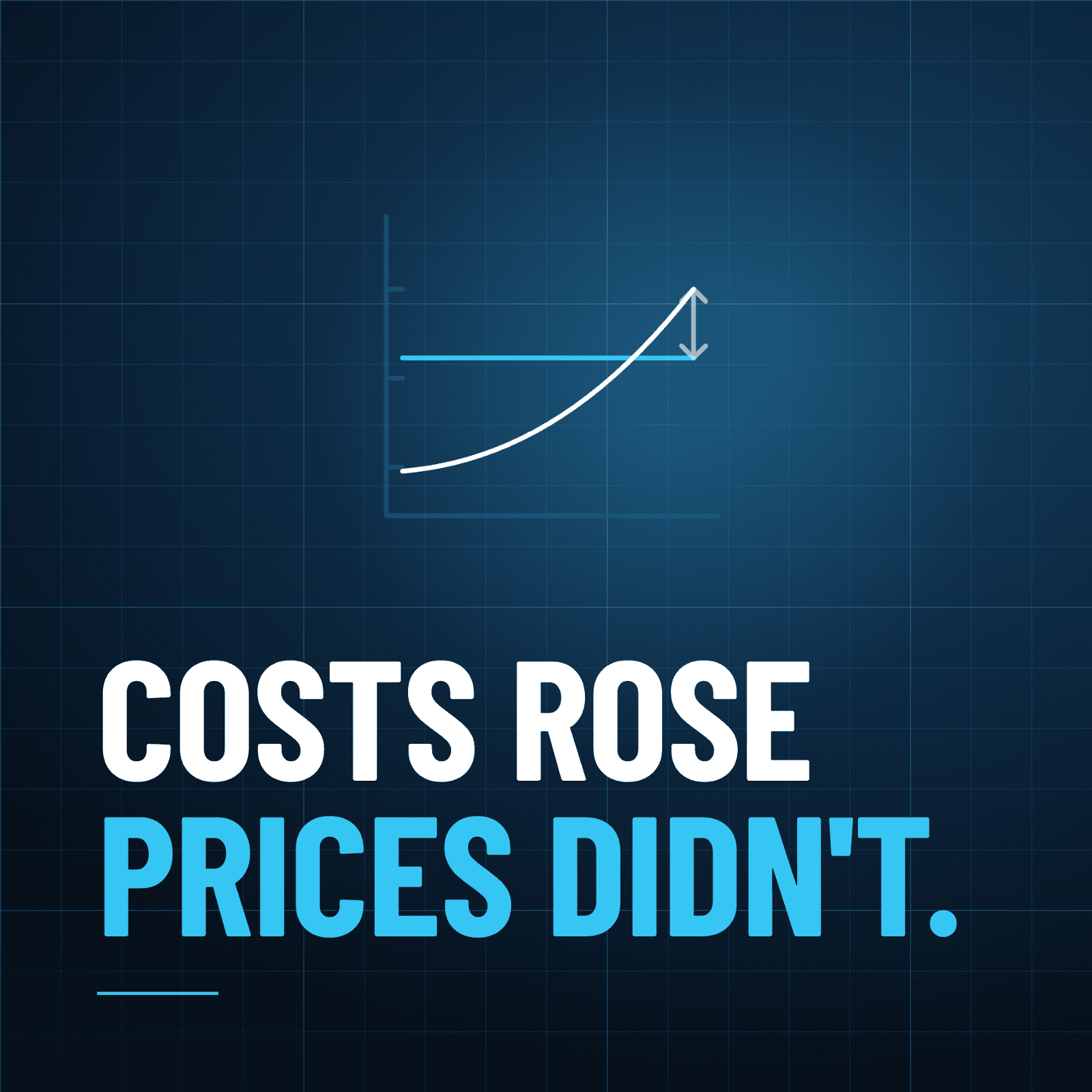
A genuine seasonal dip shows the same pattern, roughly, every year — predictable, external, tied to real demand cycles outside your control. A pricing or margin problem shows up as a dip that's getting deeper each year, or one that coincides suspiciously well with when costs rose and pricing didn't follow.

What's Actually Worth Checking

Has your pricing kept pace with rising costs? If overhead, wages, or input costs have climbed since prices were last reviewed, a "slow" quarter might just be margin compression finally becoming visible in the top-line number.



Has your pricing kept pace with rising costs? If overhead, wages, or input costs have climbed since prices were last reviewed, a "slow" quarter might just be margin compression finally becoming visible in the top-line number.

Is the dip getting worse year over year? A genuinely seasonal pattern should be roughly consistent. A worsening trend suggests something structural, not cyclical.



Is the dip getting worse year over year? A genuinely seasonal pattern should be roughly consistent. A worsening trend suggests something structural, not cyclical.

Are you discounting to fill the gap? Discounting during a real seasonal lull can mask an underlying margin problem, since lower prices during a quiet period can make revenue look "seasonally normal" while actual profitability quietly worsens.


Are you discounting to fill the gap? Discounting during a real seasonal lull can mask an underlying margin problem, since lower prices during a quiet period can make revenue look "seasonally normal" while actual profitability quietly worsens.

What to Do About It

  1. Compare this year's seasonal dip to the same period over the last three years — is the pattern consistent, or deepening?
  2. Check whether pricing has been reviewed since your costs last increased.
  3. Separate genuine demand softness from a margin problem hiding behind a familiar seasonal excuse.


RBizz reviews pricing and margin trends to help you tell the difference between a real seasonal pattern and a structural problem. Get in touch if your "slow season" has been getting slower each year.



Contact Us


RBizz Team